Culture & History
Tartane, the fishing village of the Caravelle
Villa Kaïbana July 12, 2026 5 min read
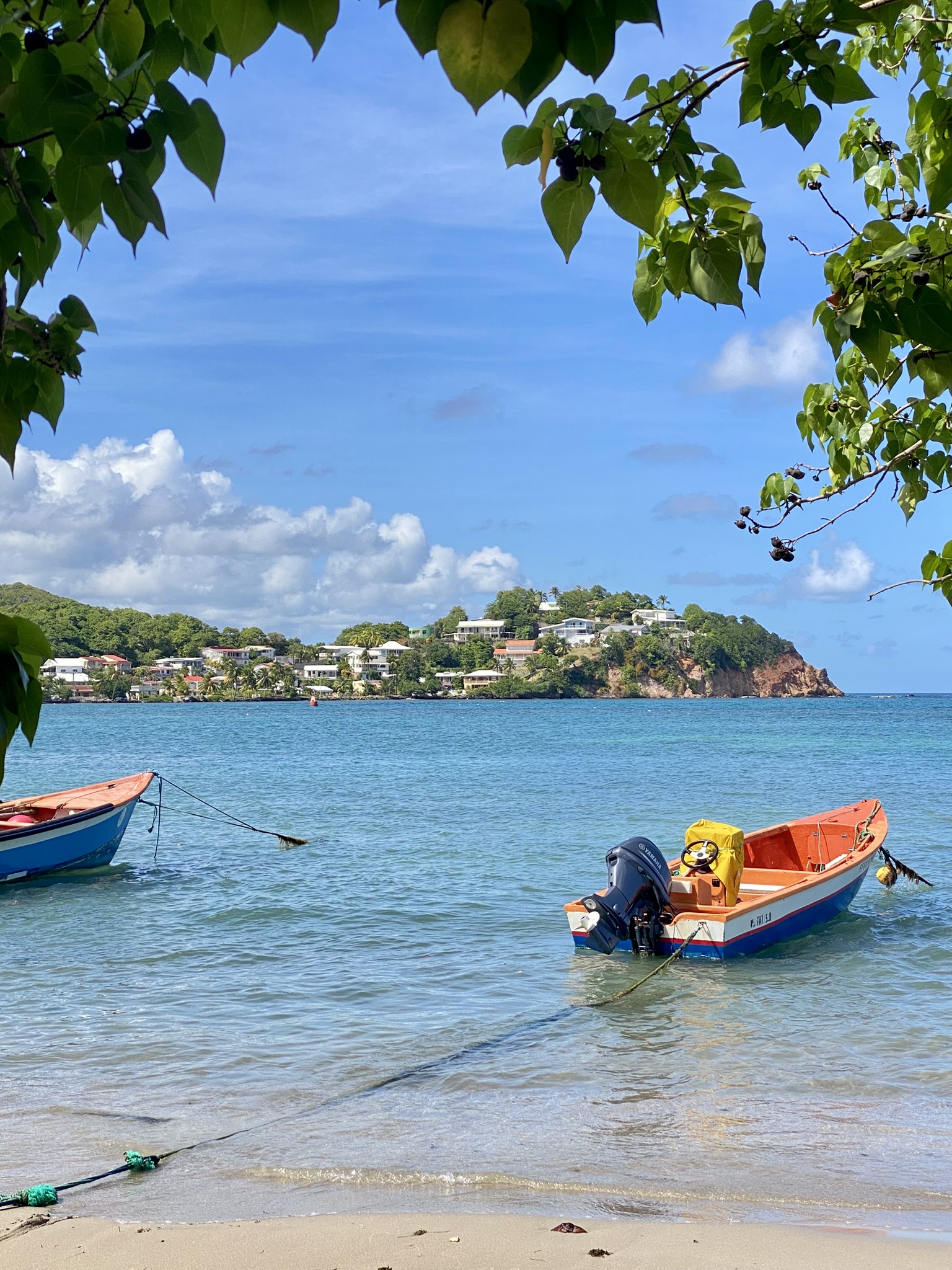
Early in the morning, long before the sun clears the ridge of the peninsula, the first gommiers are already leaving the beach. You hear them more than you see them: an engine coughing to life, two voices answering each other, the scrape of a hull dragged over the sand. In Tartane, the day doesn’t begin at the house — it begins at the port, when the fishermen head out to check their traps.
Set on its narrow isthmus, between the Atlantic and a sheltered bay, Tartane is the only real village on the Caravelle peninsula, and its heart beats to the rhythm of the sea. This is where Villa Kaïbana stands. Here’s the village you have underfoot throughout a stay: its history, its port, its beaches and its tables — and why, here, you don’t visit Tartane, you live in it.
A village born of the sea
The name says it all. A tartane is a small Mediterranean sailing boat, rigged with a single tall mast and a lateen yard, built for fishing and coastal trade. The story goes that the village took its name from it — and the story fits, because here, people have always lived from the sea.
Tartane sits on the thin neck of land that ties the Caravelle peninsula to the rest of Martinique. On one side, the Atlantic and its “windward” coast, the most exposed on the island; on the other, a bay the terrain keeps sheltered from the big swell, and which stays calm when the open sea turns rough. That double face — the ocean in front, the quiet cove behind — is the whole geography of the village.
A little over three thousand people live here. The colonisation of these lands goes back to the late 17th century, when the Dubuc family settled on the peninsula; the village itself took shape in the early 18th. Then came the age of sugar cane and rum — the name of the Hardy distillery is still attached to the village — but it was fishing that endured. To this day, it’s fishing that sets the tempo.
The port and its gommiers
This is the real morning show. Along the village beach, the gommiers — those brightly painted wooden boats, handed down from the fishermen of old — sit hauled up on the sand or moored in the cove. At first light they head out to lift the nets and the traps, big woven baskets made from a wood chosen to resist salt. A few hours later, they come back.
Then the port truly comes alive. The catch is gutted and scaled on wooden tables right on the beach; along the roadside, a small fish market springs up. Snapper, mahi-mahi, kingfish, sometimes a lobster or a few crabs: whatever is sold there was caught that same morning, just offshore. Come early — by the time the sun is high, the stalls are already bare and the fishermen are mending their nets in the shade.
The beaches of the village
Tartane is also a string of beaches, all within reach of the village. Plage du Bourg stretches through the heart of town: golden sand, calm water held back by the shallows, a wooden pier — family swimming at its finest, a ten-minute walk from the villa. Right next to it, Plage de la Brèche offers the same still water, in the shade of the sea-grape trees.
A few minutes’ drive away, Anse l’Étang lines up its picnic tables under the trees and a handful of spots right on the sand, including the Cocoa Beach Café. And then, around the point, there’s the other side: Anse Bonneville, which everyone calls the Surfers’ Beach, where the Atlantic finally rolls in its waves. Two moods for one village — the cove to swim, the open sea to surf.
At the table, facing the sea
At midday, you follow the fishermen to their tables. Along the seafront, a few no-frills restaurants — among them the local institution Chez Titine — serve the day’s catch on terraces set over the water: grilled fish, Creole court-bouillon, crisp accras, lobster on a lucky day, all washed down with a ti’punch. Nothing complicated, everything fresh, and the menu depends on what came back to port.
To cook at the villa, the morning’s fish can be bought straight off the beach. And for the rest — fruit, spices, island vegetables, spiced rums — the market in La Trinité, close by, is worth the trip on a Saturday morning, as much for the stalls as for the atmosphere.
Around the village
The village also makes an ideal base camp. At the entrance to the peninsula begins the Caravelle nature reserve: the trail running along the cliffs, the ruins of Château Dubuc, the old lighthouse and its 360° view, the calm mangrove of the Baie du Trésor. Across the bay, you set off from Le Robert for the fonds blancs, those sandbars where you bathe in the middle of the sea. And for a rum interlude, the Saint-James distillery in Sainte-Marie is about twenty minutes away.
All of it fits within a few kilometres. That’s the quiet luxury of Tartane: you range far without ever getting home late.
Tartane, the Kaïbana way
What makes Tartane singular isn’t a monument or one particular beach — it’s that it kept its trade. Here you still cross paths with fishermen on the sand, buy your fish as the boats come in, set your days by the swell and the turn of the tide. From Villa Kaïbana, perched above the bay, all of it is within walking distance.
You go down to the port in the morning, come back up for a nap, head down again for dinner facing the water. In the evening, when the last gommiers sleep on the sand and the village slowly goes dark, there’s still a ti’punch on the terrace and the sound of the open sea in the distance. You didn’t visit Tartane: you lived in it, for a few days — and that’s exactly what you take away.
Read next
Culture & History
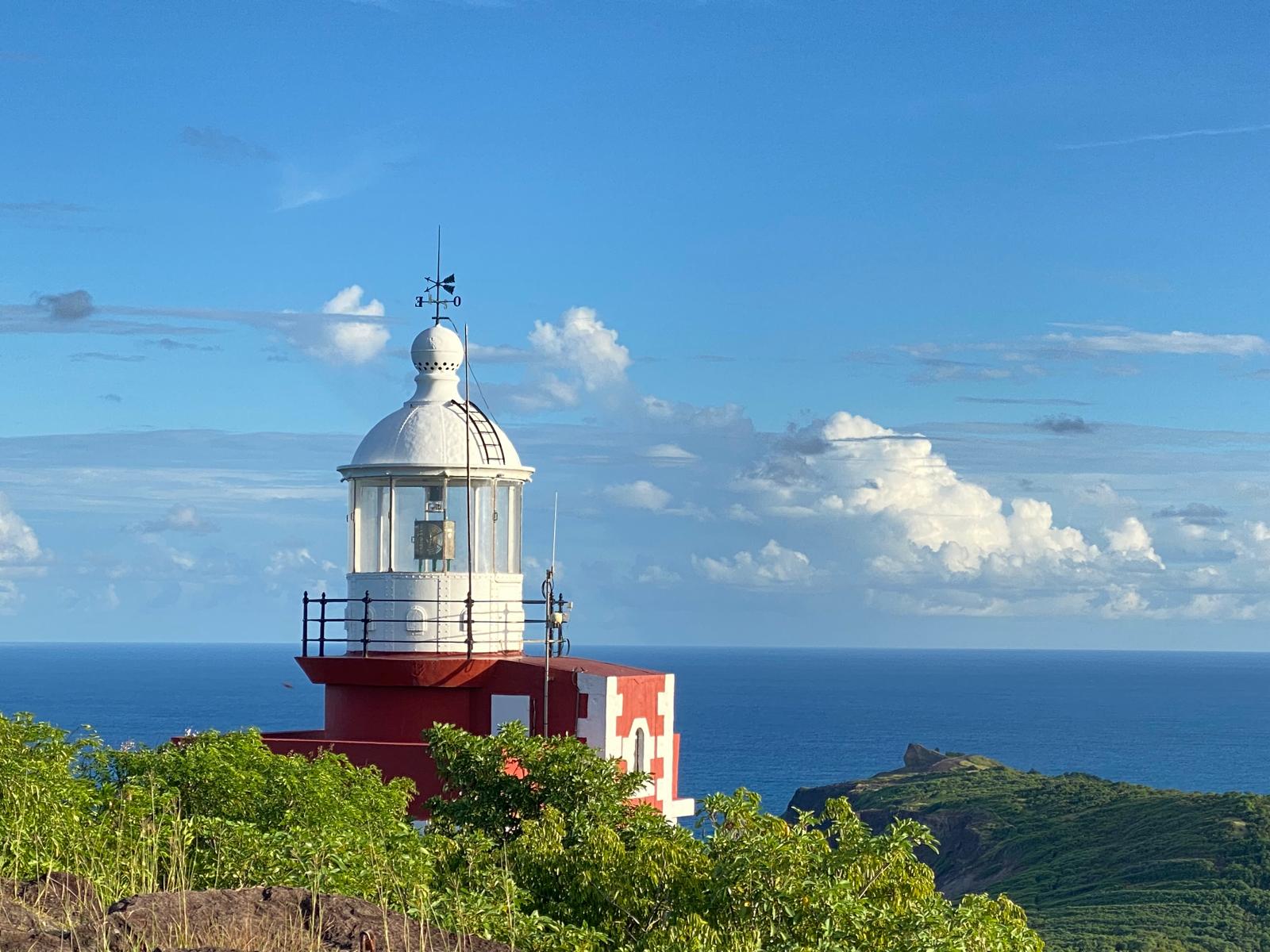
The Caravelle Lighthouse: sentinel of the Atlantic
Lit in 1862, one of the highest lighthouses in France stands guard over the Caravelle peninsula. Its history, its 360° view and the walk up to it, steps from the villa.
July 2, 2026 · 5 min read
Culture & History
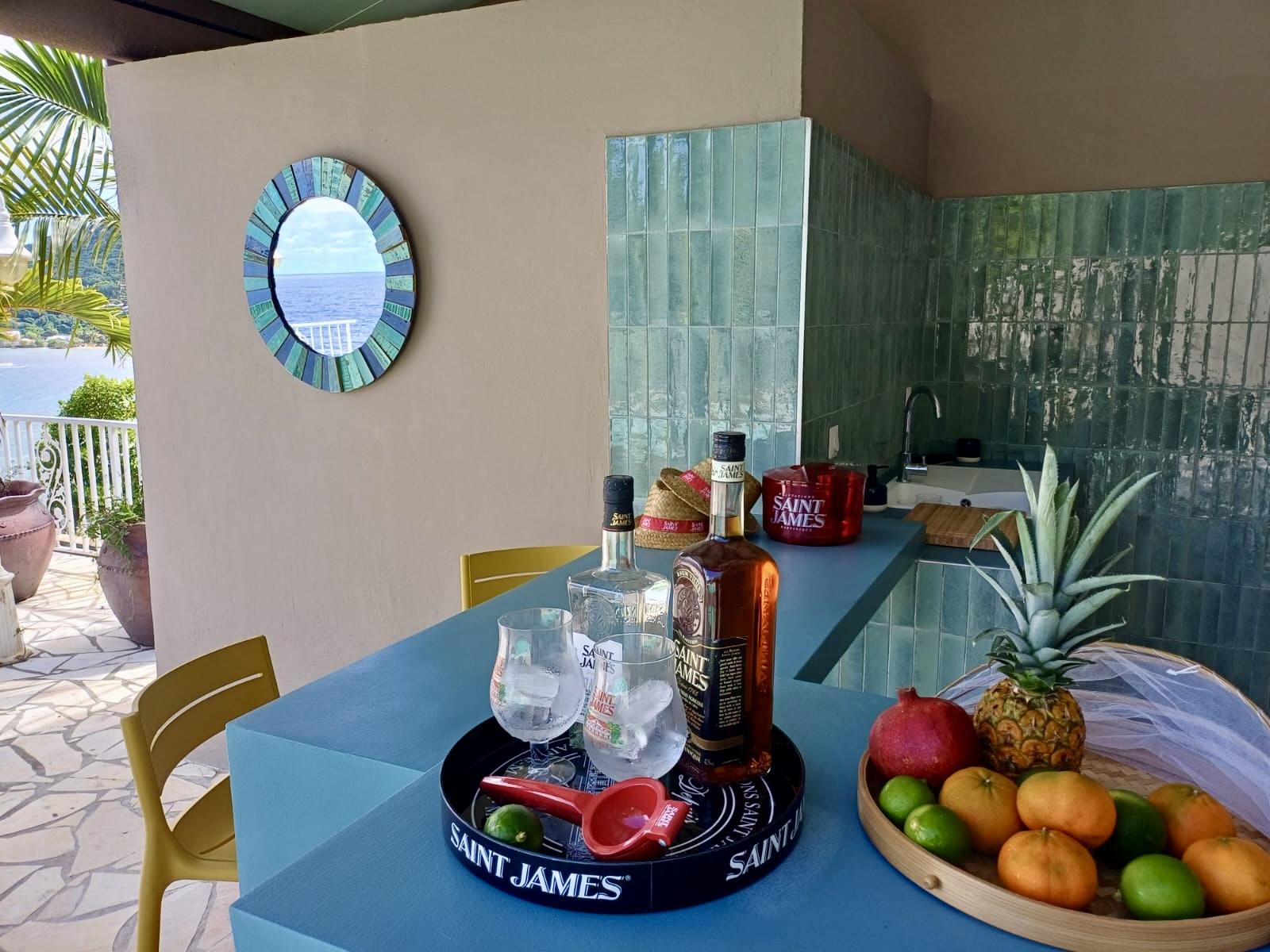
Agricole rum: the story of a Martinique appellation
Born from fresh cane juice rather than molasses, Martinique's agricole rum is the only rum in the world protected by an AOC. A short story of terroir.
March 12, 2026 · 5 min read
Sports
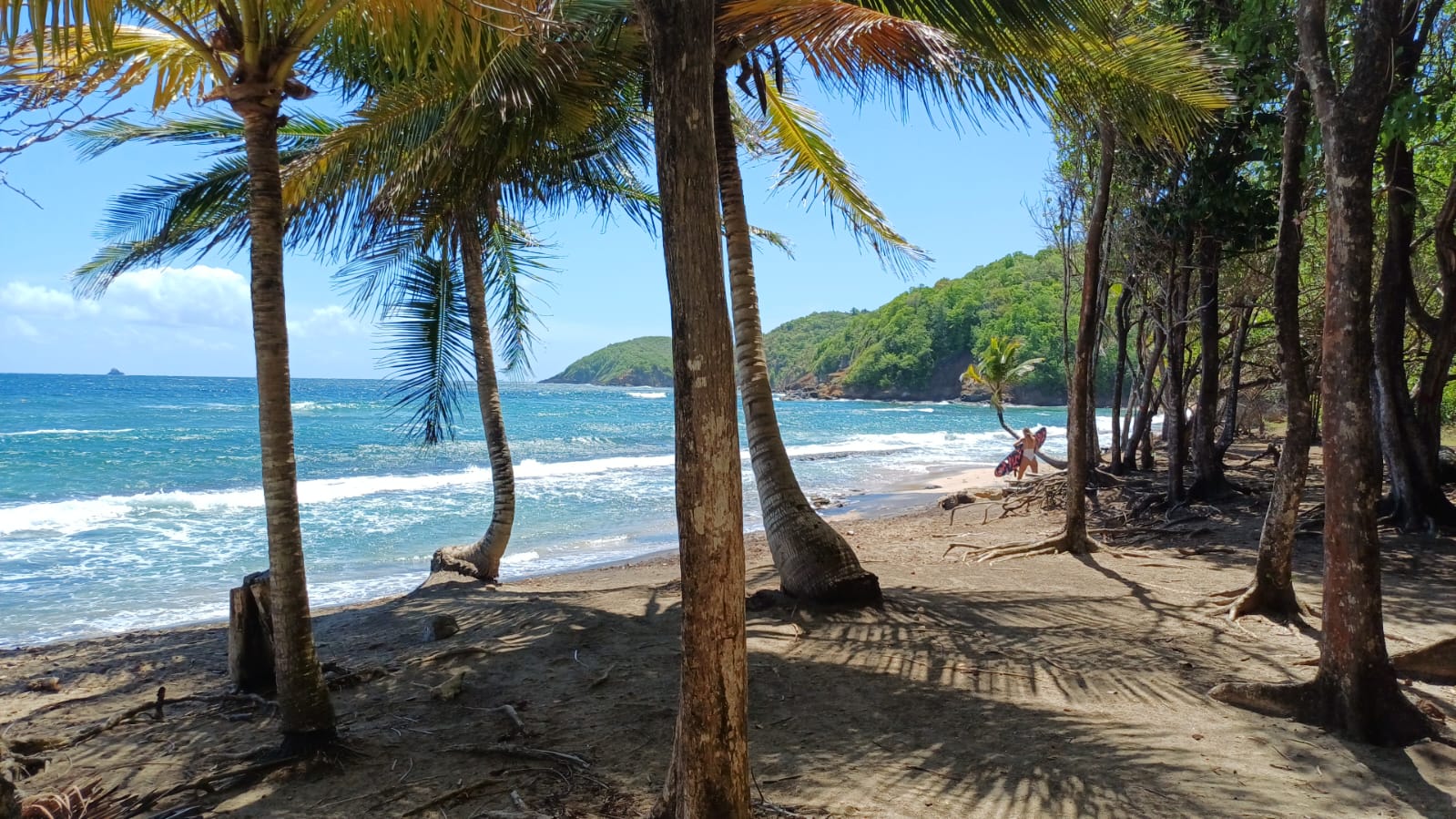
Surfing in Tartane: A Guide to the Surfers' Beach
Steady waves, a perfect exposure and surf schools right on the sand: in Tartane, the Surfers' Beach is the ideal spot for a first session, steps from the villa.
June 1, 2026 · 4 min read